Open World01
Survival sandboxes turn cozy
Korean developers are blending hardcore survival systems with relaxed pacing for a new audience.
Vornyxia is an editorial about the players, designers, arenas and quiet obsessions that move South Korea's gaming and entertainment industry — written for readers around the world.
Four threads our writers are following across studios, streams, and arena floors this season.
Korean developers are blending hardcore survival systems with relaxed pacing for a new audience.
Once a niche subgenre, idle progression has matured into one of the country's most exported design ideas.
After a decade of live-service dominance, several mid-size studios are reinvesting in narrative-led releases.
Smaller, locally rooted tournaments are drawing crowds that international franchises had begun to lose.
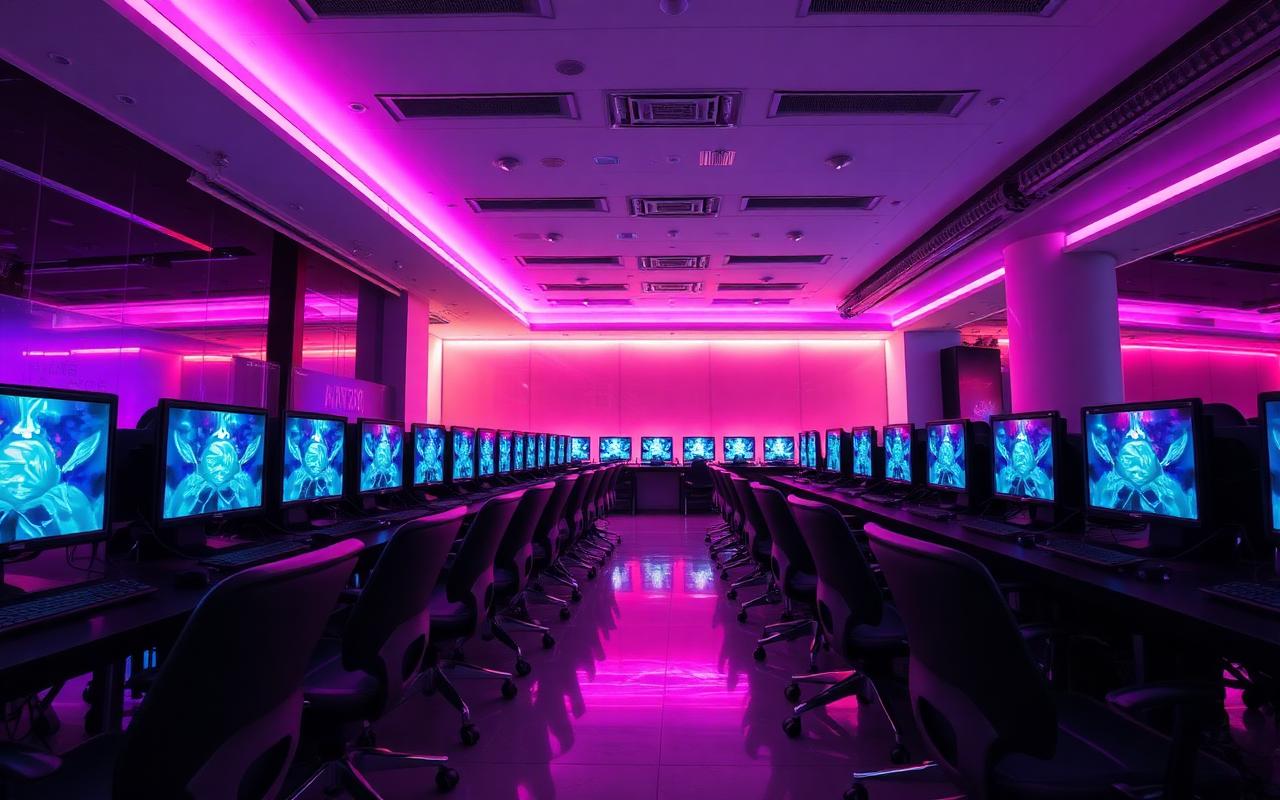 Photo · Mapo-gu, Seoul
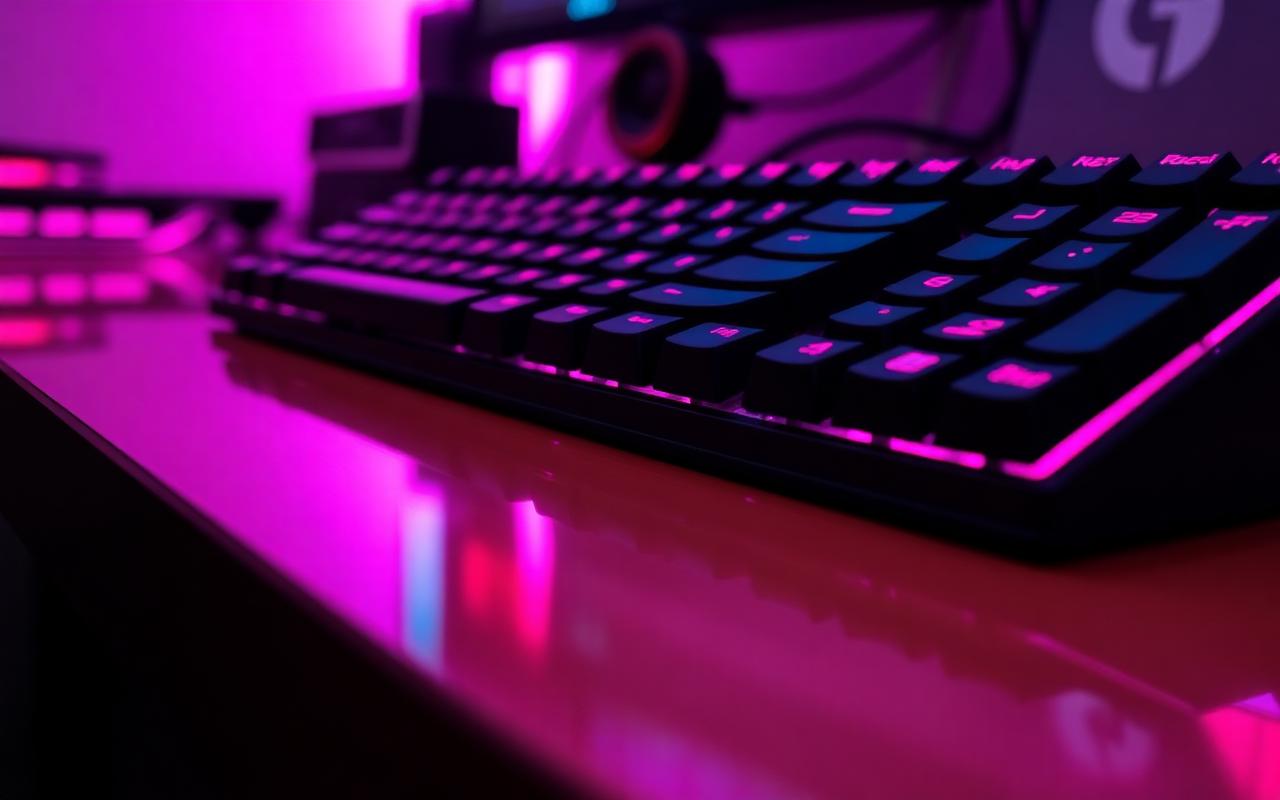
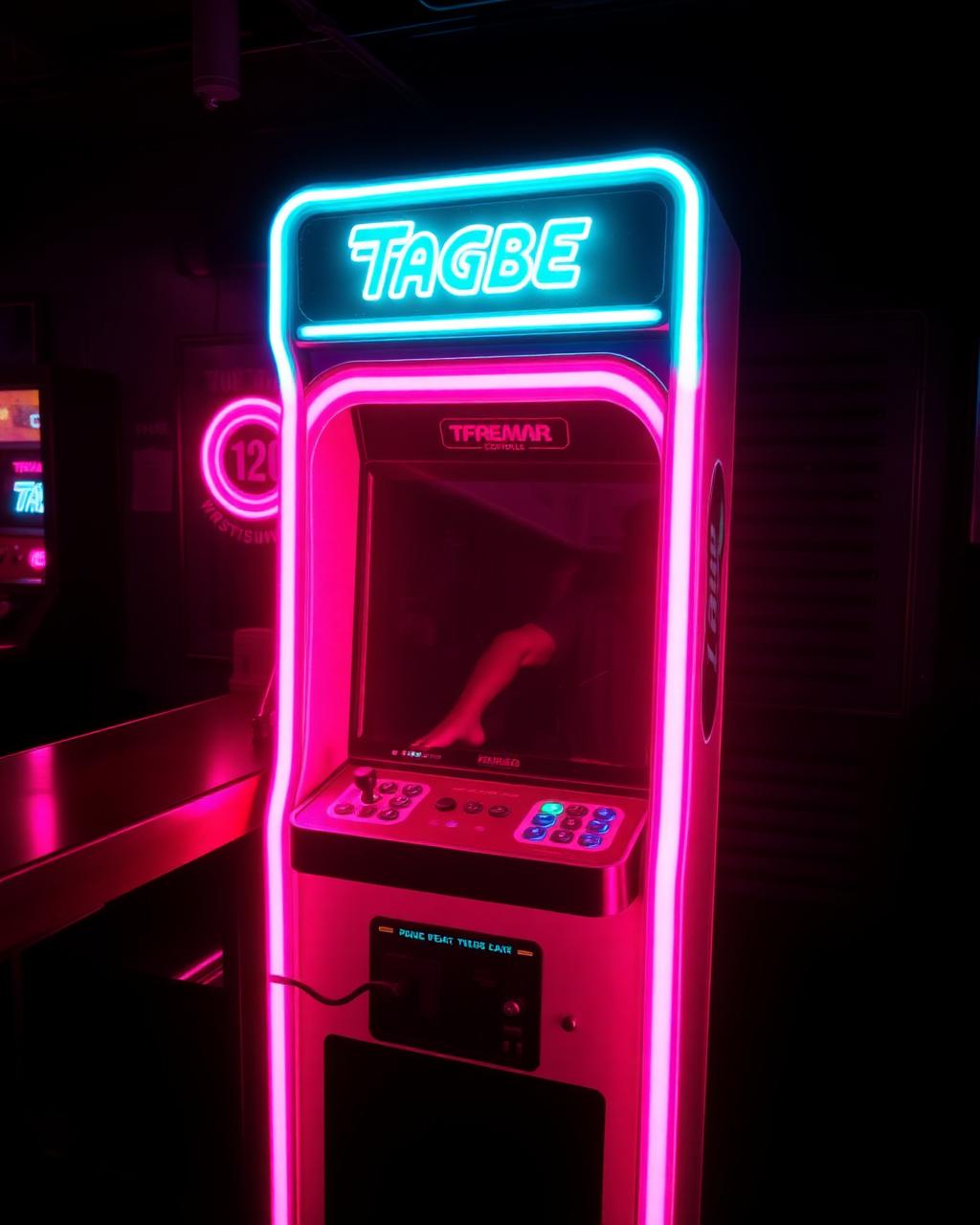
More than a quarter century after the first venues opened in Seoul, the PC bang remains a uniquely Korean third space — part café, part cathedral of competition, part neighborhood living room. The lights have changed, the chairs are more ergonomic, and the menus now feature slow-brewed coffee, but the social contract stays the same.
Walk in after midnight and you can still feel the texture that made Korea the birthplace of organized esports: friends ranked side by side, strangers shouting at the same boss, an entire generation learning to measure itself in frames per second.
From classic three-faction worlds to graphically expressive next-gen entries, MMOs remain the cornerstone of Korean PC gaming.
Coordinated five-versus-five strategy continues to define competitive viewership across Seoul's largest arenas.
Tactical shooters dominate after-school PC bang hours and weekly amateur leagues.
Touch and arcade rhythm titles thrive in dense urban districts where short, replayable sessions fit daily commutes.
Lightweight progression loops engineered for two-screen attention have become a national export.
A new wave of indie studios is pushing visual novels and adventure formats with refined Korean storytelling.
The Korean ecosystem moves fast because the distance between creator and audience is short. A studio in Pangyo can ship a balance patch on Tuesday morning and watch tournament players adapt it that same afternoon. Universities, esports academies, content houses and publishers operate inside a handful of districts, exchanging ideas in the same cafés.
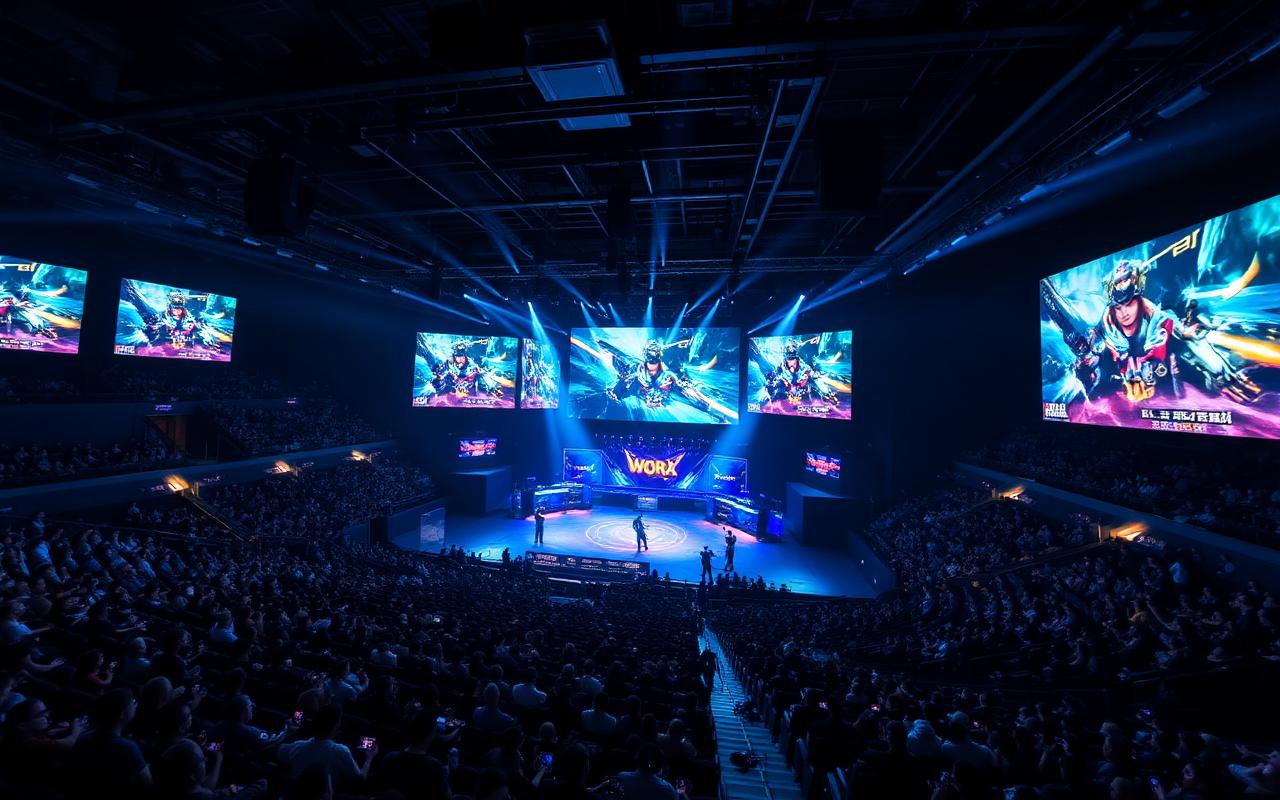
Long before global publishers built tournament circuits, Korean broadcasters were already filming arena finals like prime-time drama. That early decision shaped a viewership culture in which professional players are treated as athletes, analysts as commentators, and a losing season as national news.
The benchmark league for global MOBA competition.
The federation that formalized professional play in 2000.
Busan's annual showcase of upcoming Korean releases.
StarCraft launches and a new spectator culture begins forming around PC bangs.
Outdoor StarCraft finals draw over one hundred thousand fans to Busan's Gwangalli Beach.
Riot opens regional operations; the LCK becomes the gold standard of MOBA play.
Mobile MMORPGs overtake console as the country's highest-grossing format.
Domestic studios start releasing premium console titles aimed at global audiences.
Cross-platform cloud play normalizes; arena attendance returns to pre-pandemic peaks.
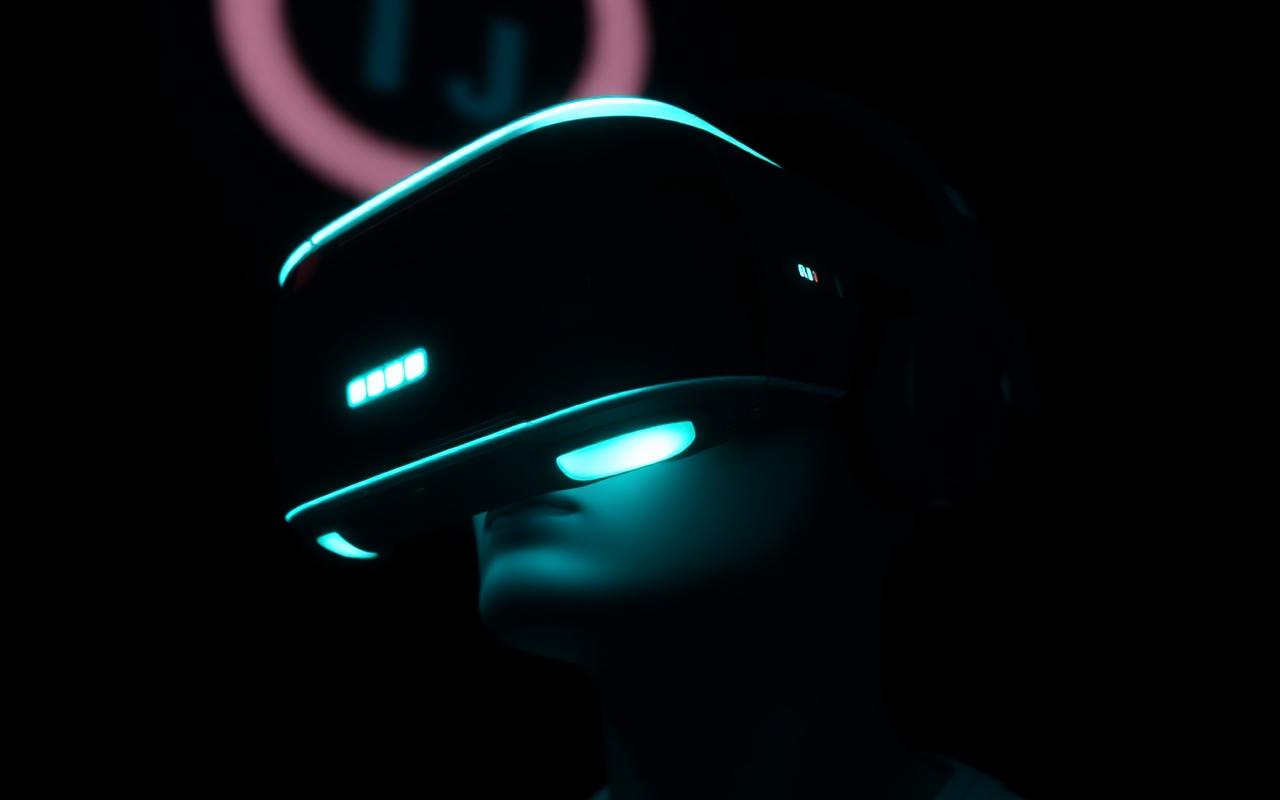
“I started playing rhythm games to kill time between classes. Two years later my team performs covers at small festivals on weekends.”
“After leaving competitive play I opened a tiny café next to my old PC bang. Half my customers are former rivals who finally have time to talk.”
“Streaming changed what it means to support a team. I host watch parties with friends I've only ever met through chat.”
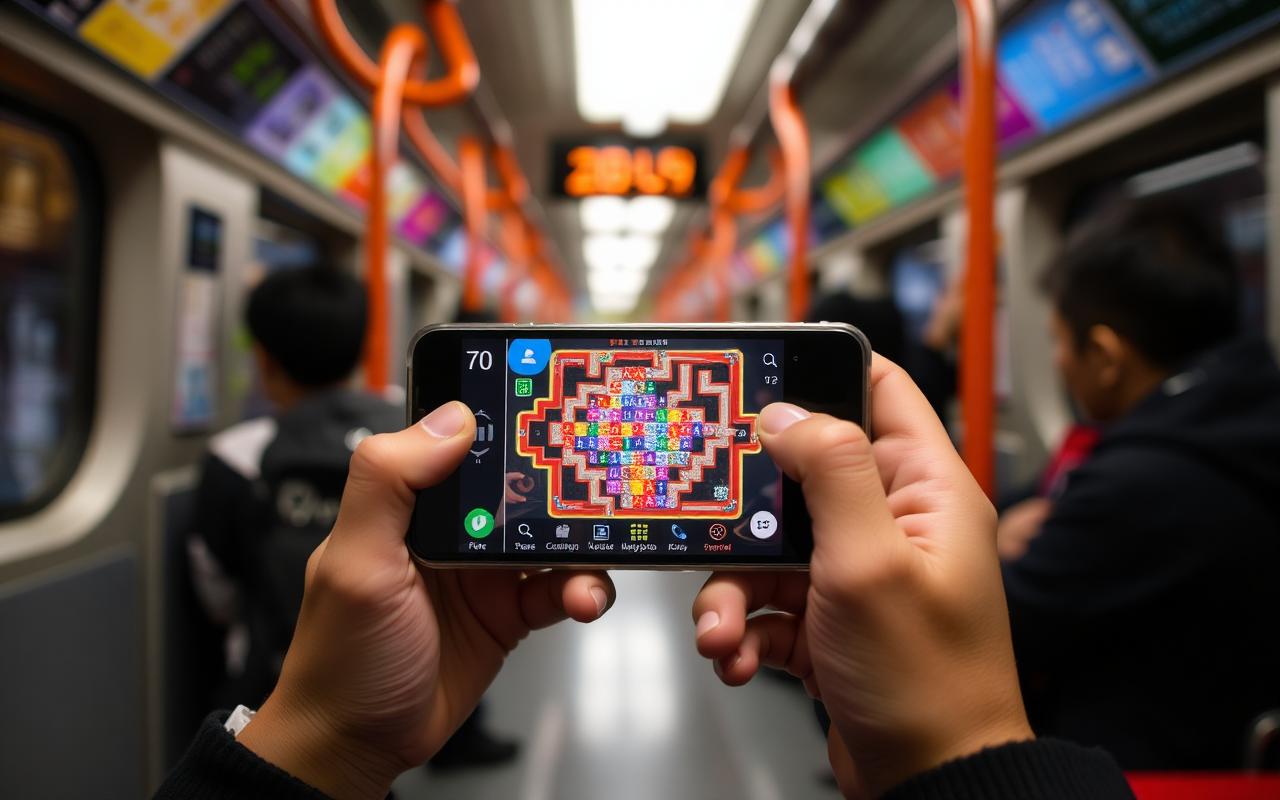
Mobile gaming in Korea is shaped by a daily commute measured in minutes, not hours. Designers optimize for the rhythm of a subway ride: a session that can be paused at any second, resumed two stations later, and finished with one hand while balancing coffee in the other.
The result is a national portfolio of titles defined by elegance and restraint — interfaces that surface only the essentials, soundtracks mixed for earbuds in a noisy train, and progress loops that respect a player's day instead of demanding it.
Quality assurance teams in Seoul often outnumber engineers — a holdover from the live-service era.
Most major studios run their own internal esports teams, both for marketing and balance testing.
Voice direction sessions are scheduled around early morning slots when actors' voices are at their warmest.
Patch notes are drafted in Korean first, then localized — subtle phrasing changes can shift the metagame.
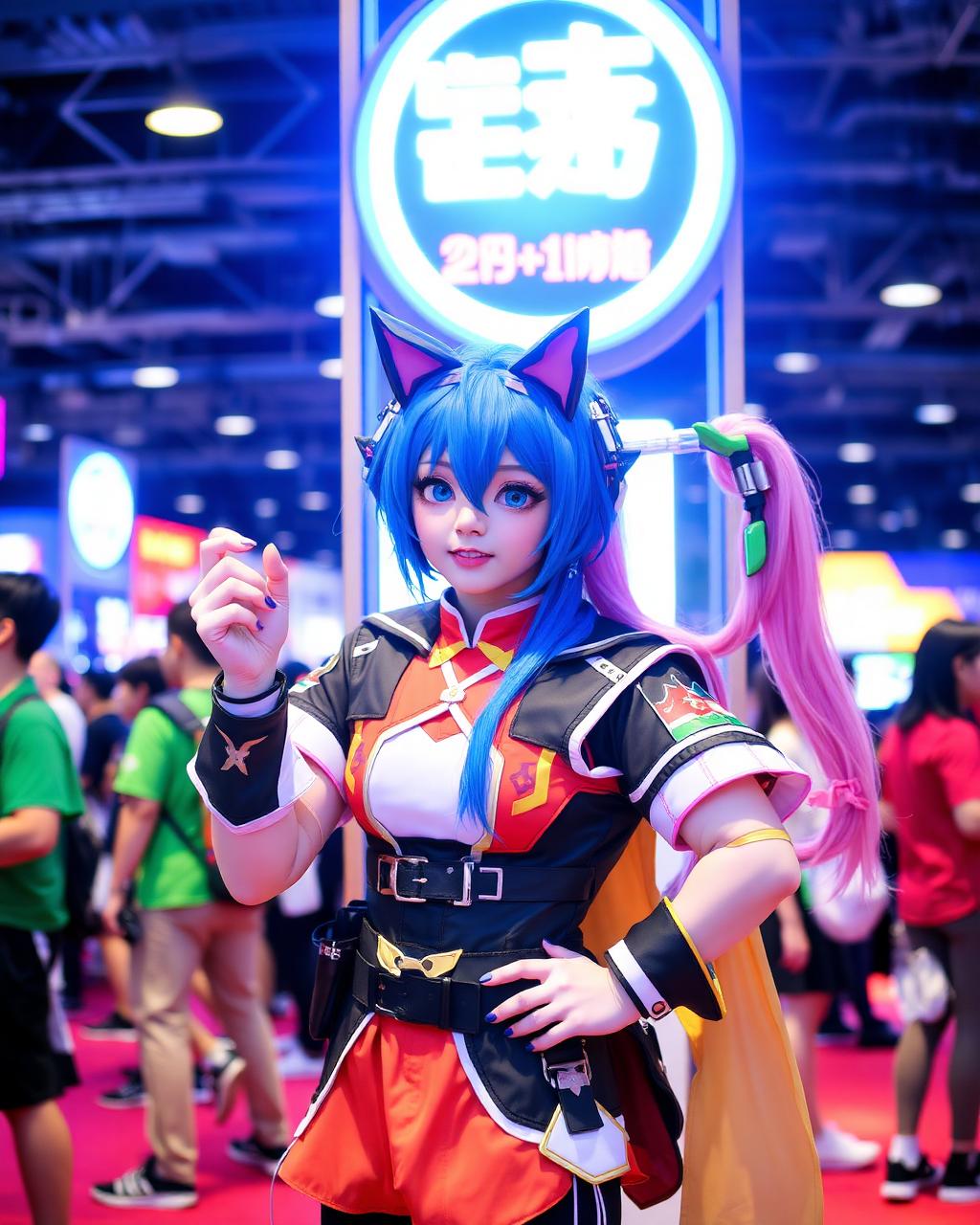
Cosplay departments inside publishers commission canonical outfits before in-game models are finalized.
The country's largest live-broadcast control rooms are operated by audio engineers trained in film.
More titles are launching simultaneously across Korea, Japan and Southeast Asia from day one.
Studios are publishing internal guidelines for transparent use in character and concept work.
Hybrid tournaments mixing certified amateurs with established teams are returning to weekly schedules.
New mid-budget projects are testing cloud as the default platform rather than an add-on.

Vornyxia is an English-language editorial focused on South Korea's gaming and entertainment scene — esports, PC bangs, mobile titles, console releases, developer studios, and the surrounding cultural shifts.
South Korea remains one of the most influential gaming economies in the world. From the birth of professional StarCraft leagues to today's MMO and mobile dominance, decisions made in Seoul ripple across the global industry.
Our contributors are bilingual journalists, former competitive players, and longtime community members based in Seoul, Busan, and Daegu. Every story is reviewed by a Korean editor before publication.
We follow a weekly editorial calendar with longer features published at the start of each month. Sections like trends and community stories are refreshed continuously.
Yes. Major events such as LCK finals, G-STAR in Busan, and selected international circuits are documented through on-the-ground reporting and post-event analysis.
No. The publication maintains full editorial independence from studios, leagues, and esports organizations to ensure honest, balanced coverage.
How three decades of online worlds shaped expectations about progression, social play, and time.
Orchestral and electronic soundtracks from Seoul-based composers that deserve a dedicated playlist.
Selected short films chronicling Korea's first generation of televised competitive play.
of Korean teens play at least one mobile game weekly.
average daily play time among committed weekend players.
active professional esports clubs across all major titles.
domestic studios with projects in development for global console release.
Korean gaming culture rewards careful observers. The patches arrive quickly, the meta shifts faster, and the audiences read it all in real time. Vornyxia exists to slow that pace down just enough to make sense of it — to write down what's happening, what it might mean, and who, somewhere in Seoul or Busan or Suwon, is making it happen.
— The Vornyxia Editorial Desk · Seoul